Best VPNs for Streaming in the UK (And Why They Don’t Fix Everything)
A VPN has become one of the most recommended tools for UK streamers, whether the goal is unlocking a wider Netflix catalogue, watching BBC iPlayer while abroad, or simply adding a layer of privacy to everyday browsing. It’s genuinely useful technology — but it’s also one of the most misunderstood, particularly when it comes to IPTV. This guide covers which VPNs are actually worth considering for UK streaming in 2026, and just as importantly, what a VPN can’t do, no matter how good it is.
What a VPN Actually Does
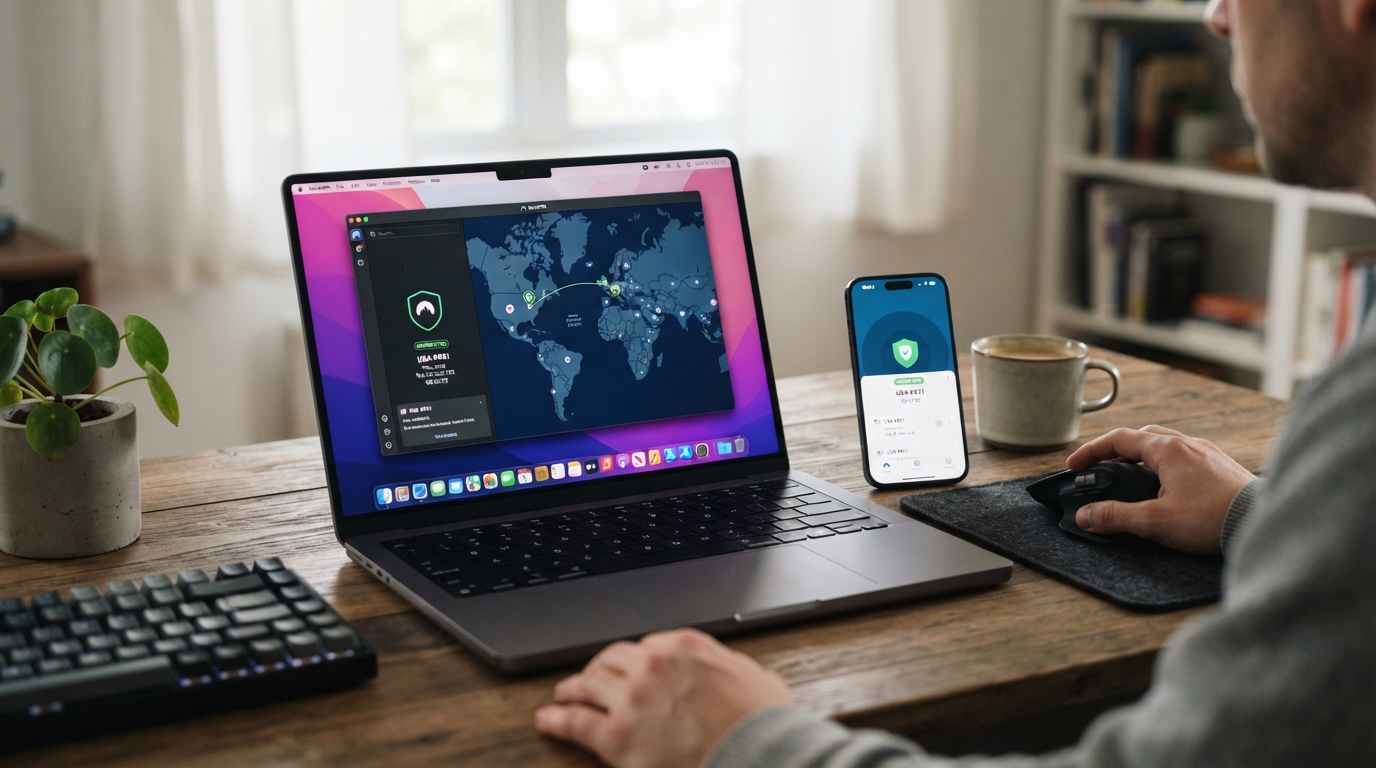
A Virtual Private Network or VPN for short is like a road for your internet traffic. It goes through a server that the VPN people run. They make sure it is secret and safe. They also hide your address and show the address of the VPN server instead. This does a few cool things. It can make it look like you are connecting to the internet from a place. It also keeps your internet service provider from seeing what websites you are visiting.. It helps keep you safe when you use public Wi-Fi.
When it comes to watching videos people use VPNs for a couple of main reasons. One reason is to watch videos that’re only available in certain areas. For example you can watch the version of Netflix from the UK. The other reason is to watch things that’re only available, in the UK like BBC iPlayer, when you are travelling to other countries.
The Best VPNs for UK Streaming in 2026
Based on independent testing trends across UK server coverage, speed retention, and reliability against major streaming platforms, a small handful of providers consistently perform better than the rest.
NordVPN is generally regarded as the strongest all-round option for UK streaming. It combines a large global server network with a high proportion of UK-based servers, strong speed retention even with encryption active, and a built-in smart routing feature that automatically switches to a working server if a platform detects and blocks VPN traffic — a common headache with BBC iPlayer in particular, which is known for aggressive VPN detection.
Surfshark is typically the best value pick, largely because it allows an unlimited number of simultaneous device connections on a single subscription, compared to fixed device limits from most competitors. This makes it a practical choice for households streaming across multiple phones, tablets, and smart TVs at once, without needing to juggle which devices are currently connected.
ExpressVPN tends to be praised for its simplicity — straightforward apps across nearly every platform and device, with consistent performance, making it a solid choice for anyone who wants a VPN that just works without much configuration.
Proton VPN stands out on the privacy side, operating under Swiss jurisdiction with a strong reputation for transparency, while still delivering solid UK streaming speeds. It’s a sensible pick for anyone prioritising privacy credentials alongside streaming performance.
IPVanish and Private Internet Access round out the list as strong performers for users who want more manual control over server selection and configuration, generally at a lower cost than the top-tier picks.
What to Actually Look for in a Streaming VPN
Rather than chasing the single “best” option, it’s more useful to know which features actually matter for streaming specifically:
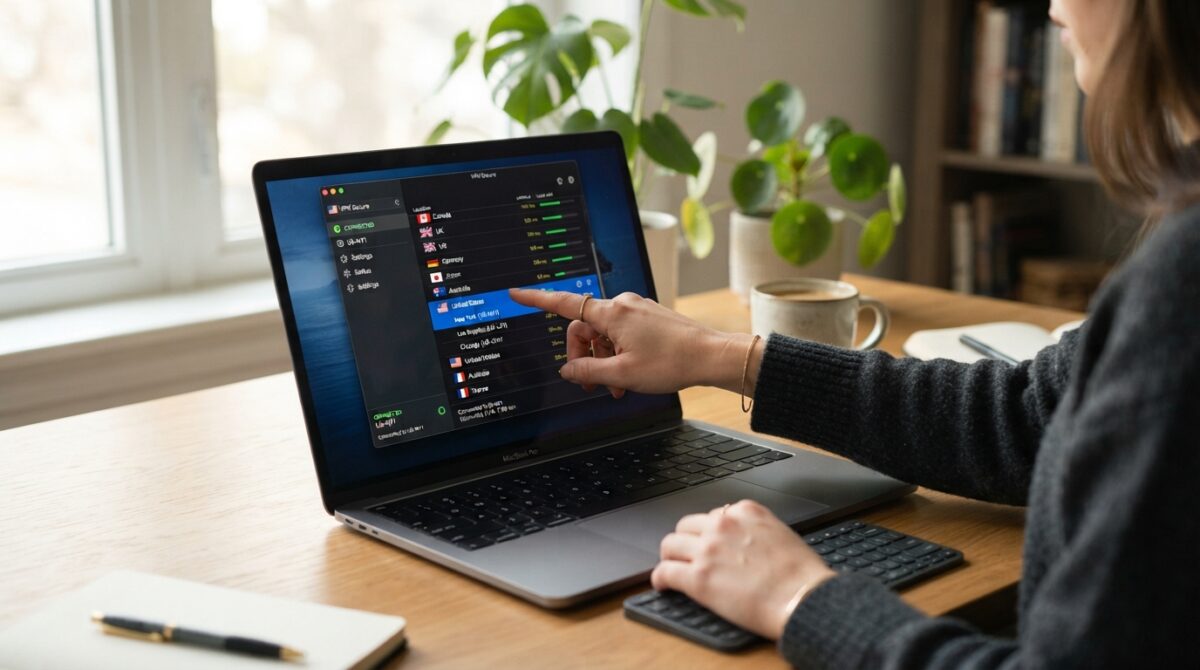
- UK server count and city spread. More UK-based servers, spread across multiple cities, gives you backup options if one particular server gets detected and blocked by a streaming platform.
- Speed retention. All VPNs slow your connection down somewhat due to encryption overhead, but the better providers retain the vast majority of your original speed, which matters directly for buffering and stream quality.
- A no-fixed-data-allowance policy. Streaming consumes a lot of data quickly, so any VPN with data caps is a poor fit regardless of how well it otherwise performs.
- A kill switch. This automatically cuts your internet connection if the VPN drops unexpectedly, preventing your real IP address and traffic from being exposed mid-session.
- A genuine refund policy. Since VPN performance against any specific streaming platform can change without warning as platforms update their detection methods, a real money-back guarantee lets you test compatibility risk-free.
Why VPNs Don’t Fix Everything — Especially for IPTV
This is the part that gets overlooked in most VPN roundups, and it matters enormously for anyone using IPTV specifically. A VPN is genuinely useful for geo-unlocking legitimate streaming catalogues. It does not, however, solve the core issues that cause IPTV buffering, and in some cases it makes things worse.

A VPN doesn’t change the legal status of content. If an IPTV stream is being distributed without proper broadcasting rights, routing that traffic through a VPN doesn’t alter the underlying licensing situation. The content is exactly as unauthorised after the VPN as it was before — a VPN just changes how your traffic gets there, not what you’re actually watching.
A VPN doesn’t bypass UK court-ordered site-blocking in the way many people assume. UK blocking orders under Section 97A of the Copyright, Designs and Patents Act target specific IP addresses used by unauthorised content sources, enforced by your ISP. In theory, routing around your own ISP’s block via a VPN server based elsewhere might temporarily avoid a specific block — but dynamic blocking orders, particularly for live sport, update in real time and target the source itself, not just your access route. This is a constantly moving target, not a one-time workaround.
A VPN typically adds latency, not removes it. Every VPN connection adds at least some processing overhead as your traffic gets encrypted, routed to a VPN server, and decrypted again. For most everyday browsing this delay is unnoticeable, but for live video streaming — particularly live sport where every second matters — this can introduce or worsen buffering rather than fix it, especially if the VPN server is under heavy load or geographically distant from you.
A VPN doesn’t fix server overload on the provider’s end. If an IPTV provider’s servers are overwhelmed during peak matchday traffic, no amount of rerouting on your end changes how much capacity exists on theirs. This is a provider-side infrastructure problem that a VPN simply can’t touch.
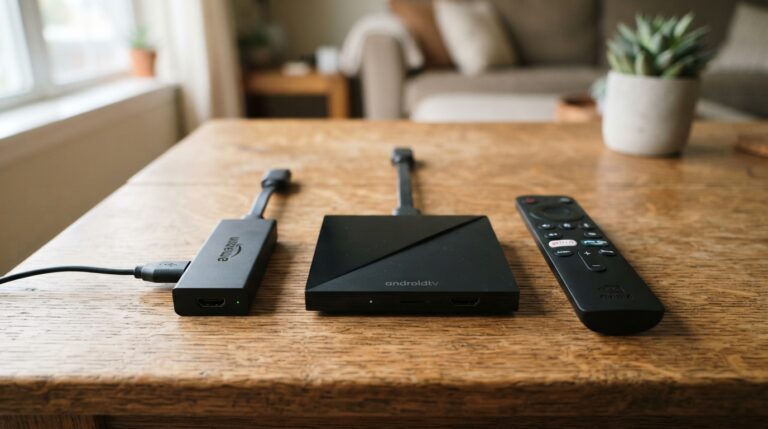
A VPN doesn’t fix underlying device or hardware limitations. If your streaming box or Fire Stick struggles to decode high-resolution video smoothly, routing traffic through a VPN doesn’t give your device more processing power. The bottleneck stays exactly where it was.
What VPNs Are Genuinely Good For
None of this means VPNs aren’t worth using — they’re just solving a different problem than most IPTV users assume. A VPN is a strong choice for:
- Watching BBC iPlayer, ITVX, or other UK-only content while travelling abroad, since this is a legitimate use case the VPN is actually built to solve.
- Accessing a broader legitimate content library on services like Netflix or Prime Video where regional catalogues differ.
- General privacy and security, particularly on public Wi-Fi networks in cafes, airports, or hotels.
- Preventing your ISP from seeing your general browsing activity, which some users value regardless of what they’re actually streaming.
The Actual Fix for IPTV Buffering
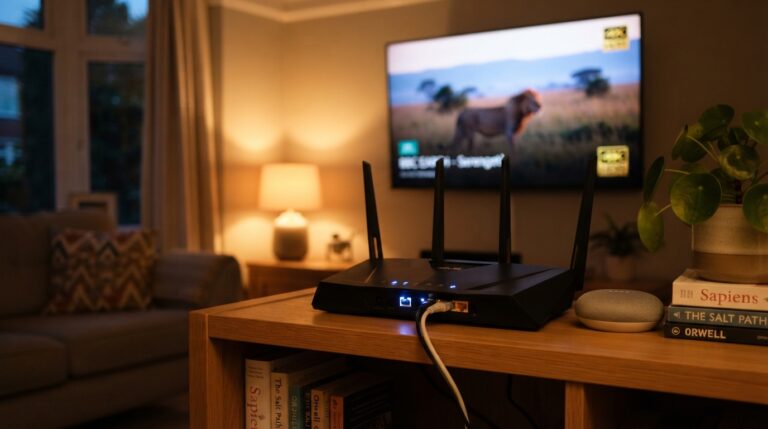
If your priority is stable, reliable IPTV streaming — particularly for live sport — a VPN isn’t the tool that solves that problem. The genuine fix is choosing a properly licensed IPTV subscription in the first place, since licensed content simply isn’t subject to the blocking measures and legal grey areas that cause the worst buffering issues in unlicensed streams. Pairing that with the practical basics — a wired ethernet connection where possible, adequate broadband speed, and reasonably modern streaming hardware — addresses the remaining, genuinely technical causes of buffering far more effectively than routing your traffic through an extra server ever will.
Frequently Asked Questions
Do I need a VPN to use IPTV in the UK? No. A properly licensed IPTV service doesn’t require a VPN to work reliably, since it isn’t a target of UK site-blocking measures in the first place.
Will a VPN make my IPTV stream more stable? Not typically — it often adds latency rather than removing it, and doesn’t address the underlying causes of buffering like server overload or blocking orders targeting the content source itself.
Which VPN is best for BBC iPlayer specifically? NordVPN is generally considered the most consistent option against BBC iPlayer’s VPN detection, though platform detection methods change regularly and no VPN can guarantee permanent access.
Is it illegal to use a VPN in the UK? No, VPN use itself is completely legal in the UK. What matters is what you’re accessing through it, not the VPN technology itself.
Can a free VPN work as well as a paid one for streaming? Generally no — free VPNs typically have limited server choices, slower speeds, and inconsistent performance against streaming platforms, making a paid option a more reliable choice for anyone streaming regularly.
Final Thoughts
A good VPN is a genuinely useful tool for UK streamers — for accessing UK content while abroad, broadening legitimate content libraries, and adding a layer of privacy to your everyday browsing. What it isn’t, despite common assumption, is a fix for IPTV buffering, blocking-related drop-outs, or the reliability problems that come from an unlicensed content source. Those issues need a different kind of fix: choosing a service that was never part of the problem to begin with.
This article is for informational purposes only. VPN performance against specific streaming platforms changes frequently as detection methods evolve — always check current compatibility before subscribing to any service based on a specific use case.